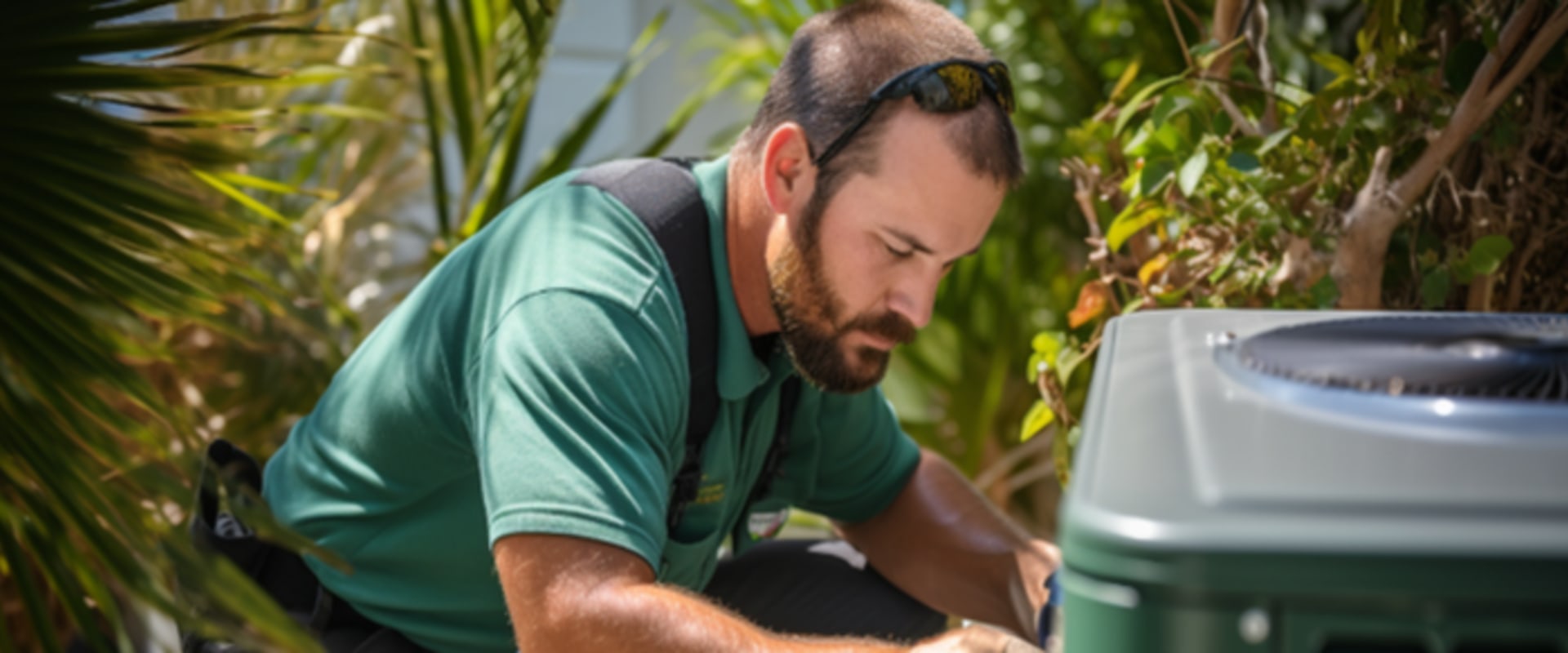
In Apopka, we see the same pattern repeatedly: homeowners notice their energy bills climbing 20–30% before they connect the spike to an HVAC problem. That lag time is costly. A system struggling with low refrigerant, corroded coils, or a failing compressor doesn't just underperform—it runs nearly nonstop trying to overcome Central Florida's humidity, burning through electricity without delivering comfort.
HVAC repair stops this cycle. When technicians restore proper refrigerant charge, clean heat exchange surfaces, or replace worn electrical components, the system returns to cycling normally—and energy consumption drops accordingly. This guide breaks down which repairs deliver the biggest efficiency gains, how Apopka's climate accelerates specific component wear, and the warning signs that your system is wasting energy right now.
Quick Answers
HVAC Repair in Apopka
HVAC repair in Apopka restores system efficiency by addressing refrigerant levels, coil condition, electrical components, and ductwork—reducing energy consumption and improving comfort in Central Florida's demanding climate.
What to know:
Systems here run 8–10 months annually, accelerating wear faster than moderate climates
Common repairs include refrigerant recharge, coil cleaning, and capacitor replacement
Properly repaired systems typically show bill reductions within 1–2 billing cycles
Before scheduling service:
Verify contractor licensing at MyFloridaLicense.com
Confirm City of Apopka registration and insurance
Ask about Duke Energy rebates (up to $1,000) and federal tax credits (up to $2,000)
Signs your system needs repair:
Longer run times than previous seasons
Uneven temperatures between rooms
Higher humidity indoors despite AC running
Increasing electric bills compared to same month last year
Local technicians consistently find that addressing efficiency problems early prevents costly mid-summer failures and eliminates the hidden monthly penalty of a system running 20–30% below capacity.
Top Takeaways
HVAC repair targets efficiency drains directly. Proper refrigerant charge, clean coils, and functional components restore manufacturer-spec performance—often within one billing cycle.
Apopka's climate accelerates system wear. Running 8–10 months per year causes faster degradation than moderate climates.
Small efficiency losses compound silently. A system running 20–30% below capacity adds $100–$150+ monthly without obvious symptoms.
Incentives offset costs. Duke Energy rebates up to $1,000. Federal tax credits up to $2,000. Most efficiency repairs pay for themselves in 2–3 months.
Repair quality matters as much as equipment age. Improper installation wastes up to 30% of capacity—professional diagnostics recover that efficiency regardless of system age.
How Specific HVAC Repairs Restore System Efficiency
Every HVAC efficiency problem traces back to one issue: the system working harder than designed to move heat. Refrigerant leaks force compressors into extended cycles, consuming more electricity while delivering less cooling. Dirty evaporator coils—which accumulate grime rapidly in Apopka's humid climate—act as insulators that block heat transfer, pushing run times 20–30% longer than necessary. Worn capacitors and blower motors draw excess amperage while moving less air per watt consumed.
Professional repair targets these specific drains. Restoring proper refrigerant charge, cleaning coil surfaces, and replacing failing electrical components returns the system to manufacturer-spec performance. Local technicians see this consistently: homeowners report shorter cycle times and lower utility bills within the first month after service.
The efficiency gains compound over time. A system running without these issues experiences less strain on major components like compressors and fan motors, which extends equipment lifespan and delays costly replacement.

"After servicing thousands of systems in the Apopka area, we've found that most homeowners are surprised how quickly efficiency repairs pay for themselves—typically within two to three billing cycles. The biggest gains come from addressing refrigerant levels and coil condition, two issues that Central Florida's climate accelerates faster than anywhere else we've worked."
Essential Resources for Hiring HVAC Repair Services in Apopka
Verify Contractor Licenses Before Signing Any Agreement
The Florida DBPR License Verification Portal confirms whether an HVAC contractor holds valid state certification and reveals any disciplinary history. Always check license status before scheduling service. Source: Florida Department of Business & Professional Regulation
https://www.myfloridalicense.com/wl11.asp
Confirm Local Permit and Registration Requirements
The City of Apopka requires all HVAC contractors to hold state certification, Orange County competency licensing, and current insurance before pulling permits. Permitted work protects homeowners and ensures code-compliant repairs. Source: City of Apopka Building Division
https://www.apopka.gov/253/Permitting
Claim Up to $1,000 in Utility Rebates on Qualifying Repairs
Duke Energy Florida offers rebates for HVAC replacements through its Home Energy Improvement program. A free Home Energy Check must be completed within 24 months to qualify. Source: Duke Energy Florida
https://www.duke-energy.com/home/products/home-energy-improvement
Reduce Tax Liability with Federal Energy Efficiency Credits
The IRS Energy Efficient Home Improvement Credit provides up to $2,000 for qualifying heat pumps or $600 for central air conditioners installed through December 31, 2025. File IRS Form 5695 with your federal tax return. Source: Internal Revenue Service
https://www.irs.gov/credits-deductions/energy-efficient-home-improvement-credit
Learn Federal Standards for HVAC Maintenance and Efficiency
The ENERGY STAR Guide to Energy-Efficient Heating and Cooling explains proper maintenance practices, efficiency benchmarks, and equipment selection criteria. Nearly half of home energy costs go to heating and cooling. Source: U.S. Environmental Protection Agency
https://www.energystar.gov/products/heating-cooling
Understand Refrigerant Regulations and Technician Certification
The EPA Homeowners FAQ explains Section 608 certification requirements for technicians handling refrigerants. Only EPA-certified technicians may legally recharge or service refrigerant systems. Source: U.S. Environmental Protection Agency
https://www.epa.gov/ods-phaseout/homeowners-and-consumers-frequently-asked-questions
Research Contractor Ratings and Customer Complaints
The Better Business Bureau maintains ratings, accreditation status, and complaint histories for Florida HVAC contractors. Review verified feedback before selecting a service provider. Source: Better Business Bureau
https://www.bbb.org/us/fl/category/air-conditioning-contractor
Supporting Statistics for HVAC Repair and Energy Efficiency
Heating and Cooling Represents Nearly Half of Home Energy Use
When Apopka homeowners ask why electric bills spike during summer, we point them to federal data: heating and air conditioning account for approximately 48% of total residential energy consumption.
In Central Florida, that percentage often runs higher because systems operate 8–10 months per year. Technicians working locally find that addressing efficiency drains delivers measurable savings precisely because HVAC dominates household energy use.
Common efficiency drains we address:
Refrigerant leaks
Dirty evaporator and condenser coils
Failing capacitors and contactors
Worn blower motors
Source: U.S. Energy Information Administration https://www.eia.gov/todayinenergy/detail.php?id=10271
Improper Installation Increases Energy Consumption by Up to 30%
The 30% efficiency loss figure from NIST matches what local service calls reveal repeatedly. Homeowners assume newer systems perform well automatically—but technicians diagnosing high-bill complaints frequently trace problems to original installation errors.
Installation faults NIST identified:
Leaky ductwork
Incorrect refrigerant charge
Oversized equipment
Restricted airflow
Correcting these faults during repair visits restores manufacturer-spec performance and eliminates hidden efficiency penalties.
Source: National Institute of Standards and Technology https://www.nist.gov/news-events/news/2014/11/underperforming-energy-efficiency-hvac-equipment-suffers-due-poor
Duct Leaks Waste 20–30% of Conditioned Air
Ductwork problems rank among the most overlooked efficiency issues we encounter—particularly in older Apopka homes with ducts running through unconditioned attics.
EPA ENERGY STAR findings:
20–30% of conditioned air lost to leaks, holes, and poor connections
Sealing and insulating ducts improves efficiency by up to 20%
Savings often pay for the repair cost through reduced energy bills
Customers report noticing the difference immediately: rooms that ran warm finally cool evenly, and systems cycle off sooner. In Florida, where attic temperatures exceed 140°F during summer, uninsulated ducts lose efficiency even faster than national averages.
Source: U.S. Environmental Protection Agency – ENERGY STAR https://www.energystar.gov/saveathome/heating-cooling/duct-sealing
Final Thought: Why Efficiency-Focused Repair Matters More in Apopka Than Most Markets
After years of servicing HVAC systems across Central Florida, one pattern stands out clearly: Apopka homeowners often wait too long to address efficiency problems—and that delay costs them far more than the repair itself.
The data supports what we see daily:
HVAC accounts for nearly 48% of residential energy use
Improper installations waste up to 30% of system capacity
Leaky ducts lose 20–30% of conditioned air before reaching living spaces
In moderate climates, these inefficiencies add up gradually. In Apopka—where systems run almost continuously from April through October—they compound rapidly.
What Most Homeowners Don't Realize
Efficiency losses rarely announce themselves dramatically. There's no warning light. The system still runs. Rooms still cool eventually.
But "eventually" means:
Longer cycle times
Higher amp draws
Electricity bills creeping upward month after month
By the time homeowners connect the dots, they've often spent hundreds more than necessary.
Our Perspective After Thousands of Local Service Calls
Efficiency-focused repair isn't just about lowering bills—though the savings are real. It's about restoring the system to do what it was designed to do: cool your home using the least possible energy while maintaining comfort and humidity control.
When refrigerant charge, coil condition, electrical components, and ductwork all function properly:
Cycles shorten
Humidity drops
Problem rooms finally reach temperature
The homeowners who benefit most aren't those with the newest equipment. They're the ones who treat efficiency problems as repair priorities rather than minor inconveniences.
The Bottom Line
A $200 capacitor replacement or $400 refrigerant recharge today prevents the $150+ monthly efficiency penalty that compounds silently over years.
In Apopka's climate, your HVAC system works harder and longer than systems in most American markets. That reality makes efficiency-focused repair essential—not optional—for controlling long-term ownership costs.
The resources, rebates, and tax credits available right now make addressing these issues more affordable than ever. The only real mistake is waiting until a small efficiency drain becomes a major system failure.
FAQ on "HVAC Repair in Apopka"
Q: How do I verify an HVAC contractor is licensed to work in Apopka?
A: Start with the Florida DBPR license verification portal at MyFloridaLicense.com. This confirms state certification and reveals disciplinary history.
Contractors working in Apopka must hold:
Valid Florida state HVAC license
City of Apopka registration
Orange County competency licensing
Current insurance coverage
We recommend verifying credentials before any service call. Unlicensed work voids warranties and creates liability issues.
Q: What HVAC repairs improve energy efficiency the most?
A: In our experience, three repairs consistently deliver the largest efficiency gains:
Refrigerant recharge – Low refrigerant forces compressors into extended cycles that increase bills before comfort changes noticeably.
Coil cleaning – Dirty coils block heat transfer and extend run times by 20–30%. Apopka's humidity accelerates buildup.
Electrical component replacement – Worn capacitors and blower motors draw excess amperage while delivering less airflow.
Customers typically report noticeable bill reductions within one to two billing cycles.
Q: How often should HVAC systems be serviced in Apopka's climate?
A: Twice per year:
Spring – Before cooling season begins
Fall – Before heating season starts
We emphasize this schedule because Apopka systems run 8–10 months annually. That extended runtime accelerates coil contamination, refrigerant issues, and component wear faster than homeowners expect.
Technicians servicing local systems regularly catch spring maintenance problems that would have caused mid-summer failures.
Q: Are permits required for HVAC repair in Apopka?
A: It depends on the scope of work.
Permits required:
System replacements
Major component installations
Electrical or refrigerant system modifications
Permits not required:
Routine maintenance
Minor repairs
The City of Apopka processes permits through its OpenGov portal. Licensed contractors handle applications as part of their service. We recommend confirming permit status—unpermitted work can affect insurance claims and complicate property sales.
Q: What rebates and tax credits are available for HVAC repairs or replacements in Apopka?
A: Multiple incentives are currently available:
Duke Energy Florida rebates:
Up to $1,000 for qualifying replacements
Requires free Home Energy Check first (many homeowners miss this step)
Federal tax credits (through December 31, 2025):
Heat pumps: up to $2,000
Central air conditioners: up to $600
File IRS Form 5695 to claim
Here is the nearest branch location serving the Fort Pierce FL area…
Filterbuy HVAC Solutions - West Palm Beach FL
1655 Palm Beach Lakes Blvd ste 1005, West Palm Beach, FL 33401
(561) 448-3760